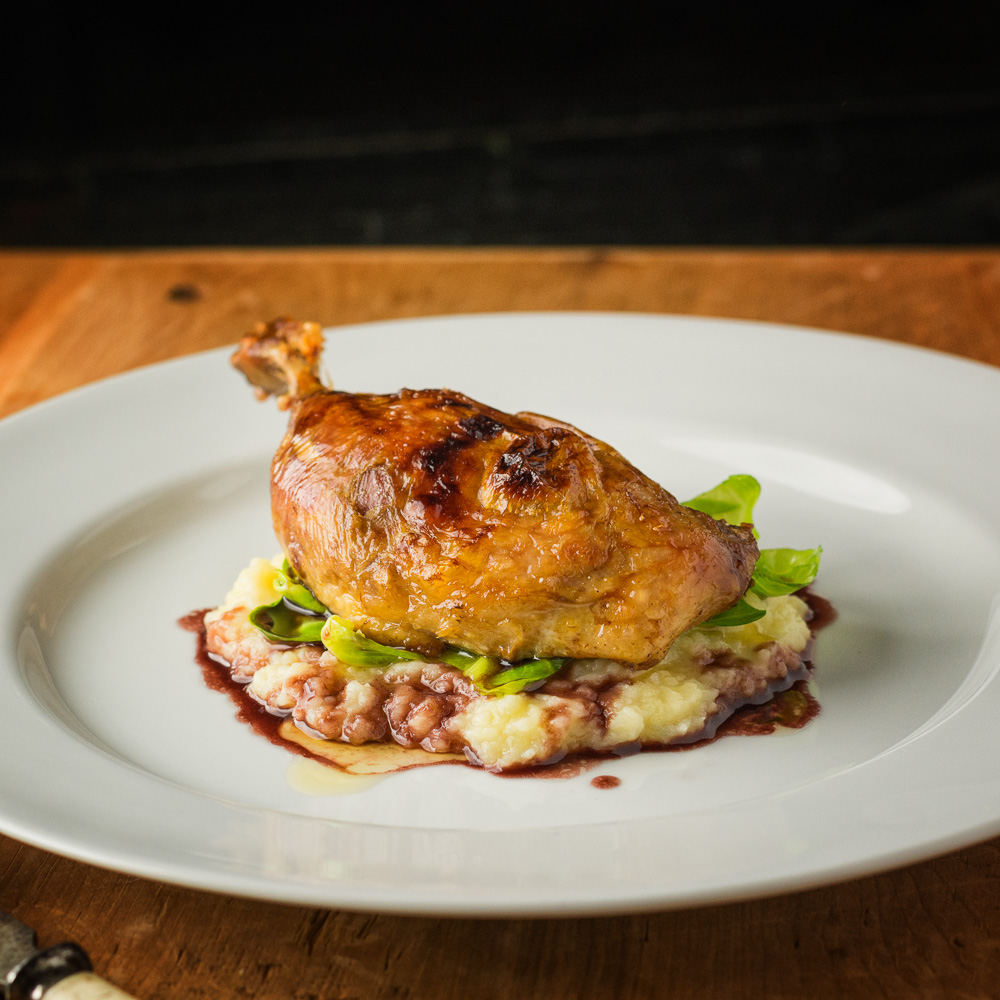
Make Ahead Roast Duck: Sous Vide Prep for Stress-Free Entertaining
Imagine hosting a sophisticated dinner party, where your guests are captivated by an exquisite dish – tender, succulent roast duck with crisp skin, perfectly paired with a velvety parsnip puree and a rich, glossy port reduction sauce. Now, imagine achieving this culinary masterpiece without the usual kitchen frenzy, allowing you to relax and enjoy the evening alongside your guests. This isn't a fantasy; it's the reality offered by the revolutionary sous vide technique, transforming an elegant meal into a stress-free experience.
The dish in question, a magnificent
roast duck with parsnip puree and port reduction sauce, is the epitome of fine dining. It's striking enough for a celebratory occasion like New Year's Eve, yet surprisingly manageable when you harness the power of advanced preparation. By embracing sous vide for your duck legs and preparing the accompanying elements ahead of time, you can present a meal that impresses without the pressure.
Elevate Your Dinner Party with Sous Vide Roast Duck
For years, the secret weapon of professional kitchens has been sous vide – a method that guarantees consistently perfect results. Now, with affordable home sous vide machines like the Anova, this restaurant-level precision is accessible to every home cook. The term "sous vide" itself means "under vacuum" in French, referring to the process of vacuum-sealing food and cooking it in a precisely temperature-controlled water bath. This technique is a true game-changer, especially for challenging proteins like duck.
When it comes to duck, many traditional recipes immediately jump to duck confit – a delicious, but often salt-heavy and fat-intensive preparation. While we certainly love duck confit, variety is the spice of life, and sous vide offers a compelling alternative. There's no inherent rule that duck legs must be heavily salted or submerged in their own rendered fat for hours, as was common practice before the advent of sous vide. Instead, this modern approach allows for less salt and a purer, more unadulterated duck flavor to shine through, resulting in incredibly tender meat with a remarkable depth of taste. Discover how this method simplifies the process and enhances flavor by reading our deep dive into
Discover Sous Vide Roast Duck: Pure Flavor, Easier Than Confit.
The benefits of sous vide for duck legs are manifold. You achieve an unparalleled tenderness throughout the meat, impossible to replicate with conventional roasting methods alone, while still preparing them for that signature crispy skin finish. This methodical cooking ensures that every bite is consistent, tender, and infused with its natural, robust flavor, setting the stage perfectly for your memorable
roast duck with parsnip puree and port reduction sauce.
Master the Art of Make-Ahead Entertaining
One of the most compelling reasons to adopt sous vide for your duck is its incredible make-ahead potential. The core principle is simple: cook the components when you have time, then simply finish and assemble when your guests arrive. This strategy is precisely how top restaurants manage complex menus and serves as your blueprint for effortless entertaining.
Here’s how you can prepare an unforgettable
roast duck with parsnip puree and port reduction sauce with minimal day-of stress:
*
Sous Vide Duck Legs: The duck legs can be cooked in their precise water bath days in advance. Once cooked, simply chill them rapidly in an ice bath while still vacuum-sealed, then store them in the refrigerator. This allows the flavors to meld and the meat to firm up slightly, making them even easier to handle later. When dinner time approaches, all you have to do is pat them dry and achieve that coveted crispy skin.
*
Port Reduction Sauce: This rich and complex sauce, the perfect complement to duck, can be prepared fully in the afternoon of your event, or even a day or two prior. Store it in the refrigerator and gently reheat it over low heat just before serving. Its robust flavor will only deepen with a little time.
*
Parsnip Puree: The creamy, earthy parsnip puree can also be made ahead. Prepare it earlier in the day or the day before, store it appropriately, and then simply reheat it over low heat on the stovetop, stirring occasionally, or even gently in the microwave until warm and smooth.
By tackling these key components in advance, you transform what could be a frantic kitchen rush into a calm, enjoyable preparation process. On the day of your dinner party, your primary tasks become the satisfying act of crisping the duck skin and artfully plating your magnificent meal. This strategy ensures you spend more quality time with your guests and less time sweating over a hot stove, allowing you to truly enjoy the occasion.
Achieving Irresistibly Crispy Duck Skin
While sous vide takes care of the interior tenderness, the hallmark of great roast duck is its wonderfully crispy skin. This final flourish is crucial for texture and flavor, and there are two excellent methods to achieve it:
*
The Broiler Method: For the absolute crispest skin, the broiler is often your best friend. Preheat your broiler to high. Place the cooked and thoroughly patted-dry duck legs skin-side up on a baking sheet. Broil for just a few minutes, keeping a very close eye on them, until the skin is deeply golden brown and audibly crisp. Be warned: this method can generate significant smoke, so ensure your kitchen is well-ventilated, or have an exhaust fan on full power.
*
The Frying Pan & Oven Method: If you prefer to avoid a smoky kitchen, a heavy-bottomed frying pan (cast iron is excellent) is a superb alternative. Heat the pan over medium-high heat. Place the thoroughly patted-dry duck legs skin-side down in the hot pan. Render the fat and crisp the skin for 5-8 minutes, carefully pouring off excess fat as it accumulates (save it for future cooking!). Once the skin is beautifully golden and crisp, flip the duck legs and transfer the pan to a preheated oven (around 375°F / 190°C) for another 5-10 minutes to ensure the duck is heated through. This method offers excellent crispness with much less smoke.
Whichever method you choose, the key is to ensure the duck skin is as dry as possible before cooking. Patting it vigorously with paper towels removes surface moisture, which is vital for achieving that desirable, crackling texture.
The Symphony of Flavors: Parsnip Puree and Port Reduction Sauce
While the perfectly cooked duck is undeniably the star, its supporting cast—the parsnip puree and port reduction sauce—are integral to the dish's overall harmony and elegance. They aren't just sides; they are essential components that elevate the
roast duck with parsnip puree and port reduction sauce to gourmet status.
*
The Velvety Parsnip Puree: This often-underestimated root vegetable provides a beautiful balance to the richness of the duck. When pureed, parsnips offer a creamy, subtly sweet, and earthy flavor profile. They are less starchy than potatoes, bringing a delicate sweetness that complements savory dishes wonderfully. A well-made parsnip puree, perhaps enriched with a touch of butter or cream, adds a luxurious texture and depth of flavor that contrasts beautifully with the crispy duck skin and rich sauce. It's a comforting yet refined element that anchors the entire dish.
*
The Rich Port Reduction Sauce: This sauce is the sophisticated ribbon that ties all the elements together. Made by reducing a good quality port wine with aromatics and stock, it develops an incredible depth of flavor that is at once sweet, savory, and slightly tangy. Its rich body and vibrant hue add visual appeal and a luxurious mouthfeel. The port reduction cuts through the richness of the duck, enhances its natural flavors, and leaves a lingering, complex aftertaste that makes each bite memorable. Discover more about crafting this exquisite meal in our article on
Elegant Roast Duck Dinner: Sous Vide Perfection with Parsnip Puree.
Together, these accompaniments create a truly balanced and delightful culinary experience, demonstrating a masterful interplay of textures and tastes.
Essential Tips for Sous Vide Duck Perfection
To ensure your
roast duck with parsnip puree and port reduction sauce is nothing short of spectacular, keep these practical tips in mind:
*
Precision is Key: For duck legs, a common temperature range for tender, "roast-like" results that easily pull from the bone is around 155-165°F (68-74°C) for 8-12 hours. This longer cooking time at a moderate temperature effectively breaks down connective tissue, yielding incredibly tender meat.
*
Proper Vacuum Sealing: Ensure your duck legs are properly vacuum-sealed to prevent water from entering the bag and to ensure efficient heat transfer. Any air pockets can lead to uneven cooking.
*
Pat Dry, Pat Dry, Pat Dry: We cannot emphasize this enough for crispy skin! After removing the duck from the sous vide bath, and especially if it's been chilled, pat the skin thoroughly dry with paper towels. You want absolutely no moisture on the surface before searing or broiling.
*
Chill If Making Ahead: If cooking the duck legs in advance, plunge the sealed bags into an ice bath immediately after the sous vide bath. This rapid cooling halts the cooking process and is crucial for food safety before refrigeration.
*
Taste and Adjust: Always taste your parsnip puree and port reduction sauce before serving. Adjust seasoning as needed – a pinch more salt, a grind of pepper, or a tiny splash of vinegar can make all the difference.
*
Elegant Plating: Arrange the duck leg artfully on the plate, spoon a generous swirl of parsnip puree alongside, and drizzle the rich port reduction sauce over the duck and around the plate. A sprinkle of fresh herbs, like finely chopped chives or parsley, adds a touch of color and freshness.
By following these guidelines, you're well on your way to preparing a flawless dish that will impress even the most discerning palates.
Preparing a
roast duck with parsnip puree and port reduction sauce for your next gathering doesn't have to be a source of stress. Thanks to the precise and forgiving nature of sous vide cooking, coupled with strategic make-ahead preparation, you can deliver an utterly exquisite, restaurant-quality meal with remarkable ease. Embrace this modern technique, and free yourself to truly enjoy the company of your guests, confident that a truly exceptional dining experience awaits.