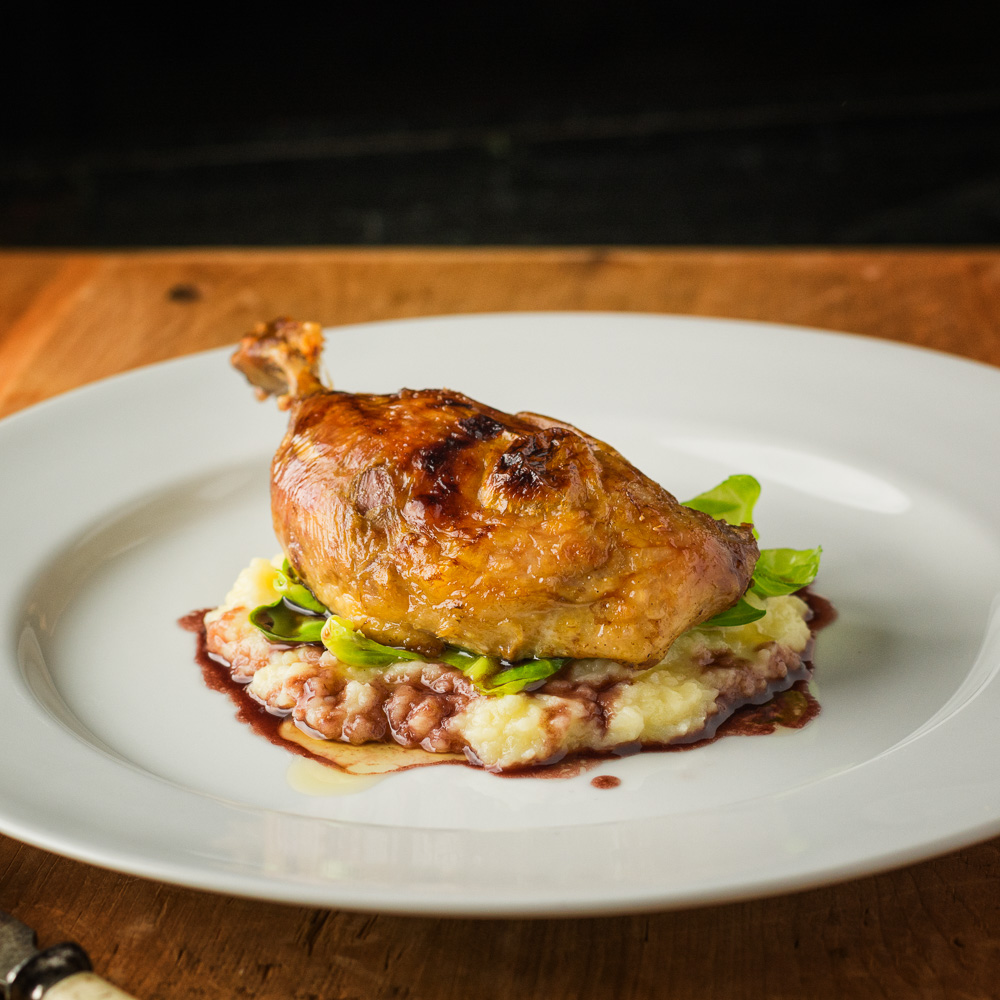
Elevate Your Dinner Party: Mastering Elegant Roast Duck with Sous Vide Perfection
Imagine a dish so exquisite, so deeply flavorful, it commands attention at any elegant dinner party or festive celebration like New Year's Eve. Yet, it's surprisingly achievable in your home kitchen. We're talking about a show-stopping roast duck with parsnip puree and port reduction sauce. This isn't just any duck recipe; it's a testament to modern culinary techniques, promising pure duck flavor, unparalleled tenderness, and a crispy skin that will have your guests raving. And the secret weapon? Sous vide.
Forget the myth that sophisticated meals demand hours of last-minute fuss. With the strategic application of sous vide, this entire elegant experience can be largely prepped ahead of time, allowing you to enjoy your guests without the stress. From the velvety parsnip puree to the rich, glossy port reduction, every element contributes to a symphony of flavors and textures, making it a truly unforgettable dining experience.
The Sous Vide Advantage: Unlocking Pure Duck Flavor and Effortless Elegance
For years, the gold standard for duck preparation has often been confit – a delicious but lengthy process involving salting and cooking the duck in its own fat. While duck confit holds a special place in culinary tradition, a new, arguably superior method has emerged, especially for the home cook: sous vide. This technique, long utilized by professional chefs, brings restaurant-quality results directly to your kitchen, offering a level of precision and consistency that traditional methods struggle to match.
Sous vide, which translates to "under vacuum" in French, involves vacuum-sealing food and cooking it in a precisely temperature-controlled water bath. This gentle cooking environment ensures that your duck legs cook evenly from edge to edge, achieving perfect tenderness without drying out. The beauty of it lies in its ability to extract a purer, unadulterated duck flavor, largely because there's no need for the heavy salting or extended fat rendering associated with confit.
By using sous vide, you're not just cooking; you're transforming. The duck legs emerge incredibly tender, succulent, and ready for their final transformation: a gloriously crispy skin. This initial, controlled cooking phase is the ultimate make-ahead secret. You can prepare your duck legs days in advance, refrigerate them, and then simply finish them off just before serving. This drastically reduces your dinner party stress, allowing you to focus on other aspects of your meal or, better yet, relax and socialize. Discover more about this revolutionary approach in Discover Sous Vide Roast Duck: Pure Flavor, Easier Than Confit.
Sous Vide Duck Leg Preparation:
- Season Simply: Lightly season your duck legs with salt, pepper, and perhaps a sprig of fresh thyme or a bay leaf. Remember, minimal seasoning allows the duck's natural flavor to shine.
- Vacuum Seal: Place the seasoned duck legs into vacuum-sealable bags. Ensure all air is removed for optimal heat transfer.
- Water Bath Cooking: Cook the duck legs in your sous vide water bath at a consistent temperature (e.g., 160°F / 71°C for 8-12 hours for incredibly tender, shreddable duck, or 150°F / 65°C for 6-8 hours for a slightly firmer texture that holds its shape well).
- Chill and Store: Once cooked, immediately plunge the sealed bags into an ice bath to cool rapidly. Refrigerate until ready to serve. This step is crucial for food safety and makes the duck a perfect candidate for Make Ahead Roast Duck: Sous Vide Prep for Stress-Free Entertaining.
Crafting the Perfect Parsnip Puree: A Silky Counterpoint
No elegant roast duck dinner is complete without the perfect accompaniment, and parsnip puree is precisely that. Its subtly sweet, earthy flavor and wonderfully creamy texture provide an ideal counterpoint to the richness of the duck and the tang of the port reduction. Unlike its more common potato cousin, parsnip puree offers a sophisticated twist, elevating the entire dish.
Tips for a Silky Smooth Puree:
- Choose Fresh Parsnips: Look for firm, blemish-free parsnips. Smaller parsnips tend to be sweeter and less woody.
- Proper Cooking: Peel and chop the parsnips into uniform pieces. Boil them in lightly salted water or, for even more flavor, steam them or cook them in chicken broth until fork-tender. This ensures they're soft enough to blend without leaving lumps.
- Enhance Creaminess: Once cooked, drain thoroughly. For ultimate silkiness, use a food mill or pass the cooked parsnips through a fine-mesh sieve before blending. This removes any fibrous bits. Then, blend with warm butter, heavy cream, or a touch of crème fraîche until incredibly smooth. A high-speed blender will give the best results.
- Seasoning: Season generously with salt and white pepper. A pinch of nutmeg can also beautifully enhance the parsnip's natural sweetness.
- Make-Ahead & Reheat: Parsnip puree can be made hours in advance. Gently reheat it over low heat, stirring frequently, adding a splash of cream or milk if it becomes too thick.
The Art of the Port Reduction Sauce: A Rich, Flavorful Drizzle
The port reduction sauce is the crowning jewel of this dish, tying all the elements together with its deep, complex flavors and luxurious sheen. It adds a touch of sweetness, a hint of acidity, and an incredible depth that balances the richness of the duck and the earthiness of the parsnips. This sauce isn't just an afterthought; it's an integral component of the roast duck with parsnip puree and port reduction sauce experience.
Creating Your Port Reduction:
- Building the Base: Start with aromatic vegetables like finely diced shallots and garlic, sautéed gently until translucent.
- Deglaze with Port: Add a generous amount of good quality port wine (ruby or tawny works well). Allow it to reduce significantly, concentrating its flavor.
- Add Stock: Pour in rich chicken or duck stock (homemade is best, but a good quality store-bought works too). Bring to a simmer and continue to reduce until the sauce coats the back of a spoon.
- Enrich and Finish: For an extra layer of richness, you can whisk in a knob of cold butter off the heat (monté au beurre). Season with salt and pepper to taste. A dash of balsamic vinegar can add a welcome acidity if needed.
- Strain for Silkiness: For a truly elegant presentation, strain the sauce through a fine-mesh sieve to remove any solids, leaving you with a perfectly smooth, glossy reduction.
Like the parsnip puree, the port reduction sauce can be prepared in the afternoon of your dinner party. This allows the flavors to meld and means one less thing to worry about when your guests arrive.
Bringing It All Together: The Grand Finale
With your duck legs cooked sous vide, your parsnip puree ready, and your port reduction waiting, the final steps are quick and crucial for that perfect restaurant-quality finish.
Crisping the Duck Skin:
The goal is a wonderfully crisp, golden-brown skin without overcooking the tender meat. After chilling, pat the sous vide duck legs thoroughly dry. This is paramount for crispy skin.
- Broiler Method (High Heat, High Reward): For the crispiest skin, a broiler is hard to beat. Place the duck legs skin-side up on a baking sheet. Broil for 5-10 minutes, keeping a very close eye on them to prevent burning. This method yields incredible results but can generate a bit of smoke, so ensure good ventilation.
- Pan-Frying & Oven Finish (Safer, Still Excellent): For a less smoky kitchen, preheat an oven to 375°F (190°C). Heat an oven-safe frying pan (cast iron is excellent) over medium-high heat. Place the duck legs skin-side down in the hot, dry pan. Sear for 5-7 minutes until the skin is deeply golden and crispy. Flip the duck legs, transfer the pan to the preheated oven, and roast for another 5-10 minutes to ensure they are heated through. This method offers excellent crispiness with less risk of smoke.
Plating for Perfection:
To serve your elegant roast duck with parsnip puree and port reduction sauce:
- Spoon a generous dollop of the warm parsnip puree onto the center of each plate, creating a smooth base.
- Carefully place a crisped duck leg atop the puree.
- Drizzle the rich port reduction sauce artfully around the duck, allowing it to pool slightly against the puree.
- Garnish with a sprig of fresh herbs, such as rosemary or thyme, or a sprinkle of finely chopped chives for a touch of color and aroma.
Conclusion: An Unforgettable Dining Experience Awaits
This elegant roast duck dinner, featuring the tender perfection of sous vide, the creamy comfort of parsnip puree, and the luxurious depth of a port reduction sauce, is more than just a meal – it's an experience. By embracing modern techniques and strategic make-ahead steps, you can confidently create a dish that rivals any fine dining establishment, impressing your guests and leaving you free to enjoy the celebration. Bid farewell to kitchen stress and hello to pure, unadulterated culinary delight. Try this method for your next special occasion, and transform your home into a gourmet haven.
