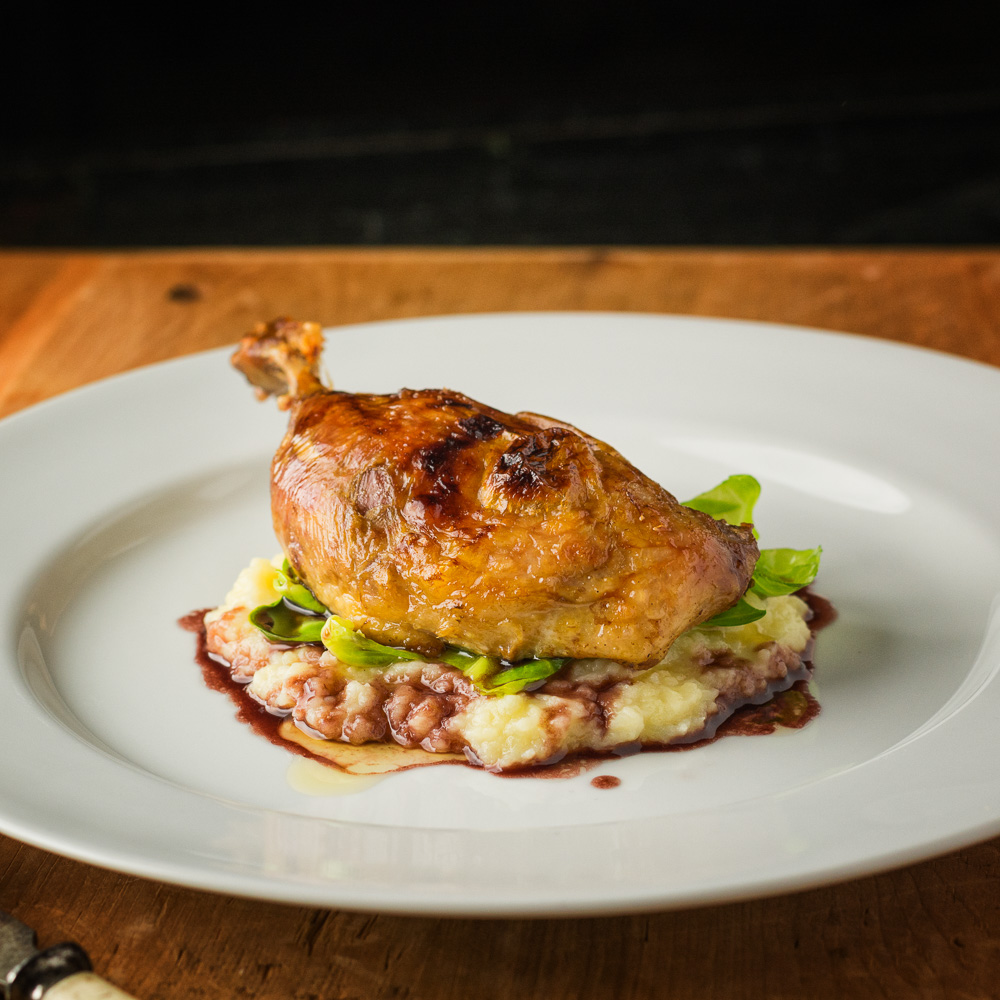
Discover Sous Vide Roast Duck: Pure Flavor, Easier Than Confit
Imagine serving a dish so elegant, so rich in flavor, that it instantly transports your guests to a Michelin-starred restaurant. Yet, what if that culinary masterpiece was surprisingly easy to achieve, largely prepared in advance, and offered a depth of taste purer than traditional methods? Welcome to the world of roast duck with parsnip puree and port reduction sauce, reimagined through the magic of sous vide. This isn't just a meal; it's an experience, perfect for a sophisticated dinner party, a festive New Year's Eve, or any occasion where you want to impress without the stress.
For too long, duck confit has dominated the conversation around slow-cooked duck legs. While undeniably delicious, its reliance on significant salting and cooking in its own rendered fat can sometimes overshadow the inherent, delicate flavor of the duck itself. With sous vide, we're not just offering an alternative; we're providing an upgrade. This revolutionary cooking method unlocks a remarkable purity of duck flavor, achieving unparalleled tenderness and succulence that will have your diners raving. Best of all, it transforms what many consider a complicated dish into an approachable triumph, largely thanks to its incredible make-ahead capabilities.
Elevating the Classic: Why Sous Vide Changes the Duck Game
The culinary landscape has been dramatically reshaped by sous vide, a technique once reserved for professional kitchens but now readily accessible to home cooks thanks to affordable immersion circulators. Sous vide, meaning "under vacuum" in French, involves vacuum-sealing food and cooking it in a precisely temperature-controlled water bath. This method guarantees consistent, repeatable results every single time, making it a true game-changer for dishes like duck.
When it comes to duck legs, the benefits of sous vide are profound, particularly when compared to traditional duck confit. Confit, while revered for its rich, melt-in-your-mouth texture, involves curing duck legs heavily with salt and then slow-cooking them submerged in their own rendered fat. This process, while effective, imparts a distinct, often intensely savory flavor profile that can sometimes mask the duck's natural essence. With sous vide, there's no need for excessive salting or cooking in copious amounts of fat. Instead, the duck legs cook gently in their own juices, concentrating their natural flavor and achieving an astonishing tenderness without drying out.
The precision of sous vide cooking ensures that the duck reaches perfect doneness from edge to edge. This means no overcooked dry spots and no undercooked tough areas – just uniformly tender, moist duck meat that practically falls off the bone. This consistency is why professional chefs have embraced the technique for years. For the home entertainer, this translates into peace of mind. You can cook the duck legs days in advance, chill them, and then simply sear them to crispy perfection just before serving. This strategic planning not only reduces day-of stress but allows you to truly enjoy your guests and the festive atmosphere. For more insights on how sous vide streamlines your party planning, explore our article on Make Ahead Roast Duck: Sous Vide Prep for Stress-Free Entertaining.
Mastering the Main Event: Sous Vide Duck Legs to Perfection
Achieving restaurant-quality roast duck with parsnip puree and port reduction sauce begins with perfectly cooked duck legs, and sous vide is your secret weapon. For optimal tenderness and flavor, we recommend cooking duck legs at a temperature of approximately 155-165°F (68-74°C) for 8 to 12 hours. This extended cooking time at a precise temperature allows the tough connective tissues in the duck leg to break down, resulting in incredibly succulent meat while retaining all its natural juices.
The Process:
- Preparation: Start by scoring the duck skin in a crosshatch pattern, being careful not to cut into the meat. This helps render the fat more effectively during the browning stage. Season the duck legs simply with salt and freshly ground black pepper.
- Vacuum Sealing: Place the seasoned duck legs into a vacuum-sealable bag, ensuring a tight seal. You can add a sprig of fresh thyme or a crushed garlic clove to the bag for an extra layer of aroma, though the pure duck flavor is paramount here.
- Water Bath: Submerge the sealed bag in your preheated sous vide water bath for the recommended time and temperature.
- Chilling (Optional but Recommended): Once cooked, if preparing ahead, plunge the sealed bag into an ice bath to rapidly cool the duck legs. This stops the cooking process and makes them safe for refrigeration. They can be stored in the fridge for several days, ready for their final crisping stage.
The final, crucial step for any roast duck is achieving that coveted, irresistibly crispy skin. This is where you have a couple of excellent options, each with its own advantages:
- The Broiler Method: For the ultimate crisp, a hot broiler is hard to beat. Place the duck legs skin-side up on a baking sheet, ideally on a wire rack to allow fat to drip away. Broil on high, keeping a very close eye on them, for 5-10 minutes until the skin is deeply golden brown and incredibly crisp. Word of caution: This method generates intense heat and can produce a lot of smoke and splatter, so ensure good ventilation and be prepared for some clean-up.
- The Pan-Searing Method: A frying pan offers a safer, less smoky alternative, especially for home kitchens. Heat a heavy-bottomed skillet (cast iron works wonderfully) over medium-high heat. Place the duck legs skin-side down in the hot pan and render the fat for 8-12 minutes until the skin is golden brown and crispy. Periodically pour off the rendered fat (save it for amazing roasted potatoes!). Once the skin is crisp, you can finish the duck in a moderate oven (around 375°F/190°C) for 5-10 minutes to ensure the meat is thoroughly warmed through without drying it out. This provides excellent results with significantly less mess.
The Supporting Stars: Parsnip Puree and Port Reduction Sauce
While the sous vide duck leg is undoubtedly the star, the supporting roles played by the parsnip puree and port reduction sauce are essential to creating a harmonious and unforgettable dish. These elements not only complement the rich duck but also add layers of flavor, texture, and visual appeal, elevating the entire experience.
Silky Smooth Parsnip Puree
Parsnips, with their distinctive earthy sweetness, are a natural partner to the robust flavor of duck. Unlike a potato puree, parsnip puree offers a slightly more sophisticated and less starchy profile that cleanses the palate beautifully. Creating a velvety smooth puree is simple and can be largely done ahead of time.
To make the puree:
- Prepare Parsnips: Peel and chop parsnips into roughly equal-sized pieces. You can either boil them until very tender or, for a deeper, nuttier flavor, roast them until caramelized. Roasting them adds a layer of complexity that truly enhances the puree.
- Blend to Perfection: Transfer the cooked parsnips to a food processor or use an immersion blender. Add a generous knob of unsalted butter, a splash of heavy cream or milk (or even some duck stock for more savory depth), and season with salt and white pepper. A tiny pinch of freshly grated nutmeg can elevate the flavor significantly. Blend until absolutely smooth and creamy.
- Make-Ahead & Reheating: The beauty of parsnip puree is its make-ahead potential. Prepare it fully in the afternoon or even the day before, then gently reheat it over low heat on the stovetop, stirring frequently, adding a little more liquid if needed to restore its silky consistency.
Rich and Velvety Port Reduction Sauce
A glossy, intensely flavored port reduction sauce is the crowning glory of this dish, tying all the components together with its sweet, tangy, and savory notes. It’s a classic sauce that speaks of luxury and pairs exquisitely with duck. Like the puree, it's an ideal candidate for advance preparation.
Crafting the Sauce:
- Aromatics: Begin by sautéing finely diced shallots and a touch of garlic in a little of the reserved duck fat until translucent.
- Deglaze and Reduce: Pour in a good quality ruby port. Allow it to simmer and reduce by half, concentrating its fruity sweetness.
- Build the Base: Add some rich duck or beef stock (preferably homemade or low-sodium store-bought), a sprig of fresh thyme, and perhaps a bay leaf. Simmer gently, allowing the sauce to reduce until it coats the back of a spoon. This slow reduction process is key to developing its deep, complex flavor.
- Finishing Touches: Strain the sauce through a fine-mesh sieve for a perfectly smooth consistency. Whisk in a tiny pat of cold butter at the very end to give it a beautiful sheen and velvety texture. Taste and adjust seasoning with salt and pepper, adding a tiny splash of red wine vinegar if it needs a little brightness.
- Make-Ahead: The port reduction can be made hours, or even a day, in advance and gently reheated just before serving. Its flavor only deepens with time.
For a complete guide on how these elements harmonize to create a truly luxurious meal, see our detailed article: Elegant Roast Duck Dinner: Sous Vide Perfection with Parsnip Puree.
Assembling Your Culinary Masterpiece: Tips for a Seamless Dinner Party
The true genius of this sous vide roast duck with parsnip puree and port reduction sauce lies in its orchestrating potential for entertaining. By preparing the duck, puree, and sauce ahead of time, you eliminate the frantic rush that often accompanies a sophisticated menu, allowing you to actually enjoy your own dinner party.
Timing is Everything:
- Duck: Cooked and chilled duck legs can be ready days in advance. About 20-30 minutes before serving, begin the final browning process. If using the oven, factor in an extra 5-10 minutes to warm through.
- Sauce: The port reduction can be gently reheated on the stovetop over low heat while the duck is browning.
- Puree: Similarly, the parsnip puree needs only gentle reheating. Have it warmed through and ready to plate as soon as the duck is done.
Plating for Impact: Presentation is key for an elegant meal. Create a bed of the silky parsnip puree in the center of your plate. Carefully place the crispy-skinned duck leg atop the puree. Generously drizzle the rich port reduction sauce around the duck, allowing it to pool slightly at the base. Garnish with a fresh sprig of thyme or a few microgreens for a touch of color. Consider serving with a simple side of blanched green beans or asparagus to add freshness and texture.
Wine Pairing Suggestions: To complement the richness of the duck and the complexity of the sauce, consider a medium to full-bodied red wine. A Pinot Noir, especially one with earthy notes, or a classic Bordeaux blend would be superb choices. For something a little bolder, a Syrah or a mature Zinfandel could also stand up beautifully to the flavors.
Conclusion
The journey from a humble duck leg to a show-stopping roast duck with parsnip puree and port reduction sauce is profoundly transformed by sous vide. This method doesn't just simplify complex cooking; it elevates the inherent flavors of the ingredients, delivering a dish that is both deeply satisfying and surprisingly light on the palate. By embracing sous vide, you unlock a world of precision, consistency, and make-ahead convenience that allows you to confidently serve a meal of truly restaurant-quality caliber in your own home. So, next time you're planning a special occasion, dare to step beyond the confit and discover the pure, unadulterated pleasure of sous vide roast duck. It's a culinary revelation that your taste buds – and your guests – will thank you for.
